Urban environments often present a unique set of challenges when it comes to establishing green spaces. As cities expand, the demand for aesthetically pleasing and functional landscaping increases. Innovative landscaping solutions not only enhance the beauty of urban areas but also improve environmental customized garden design services sustainability and community well-being. This article delves into the transformative potential of innovative landscaping, exploring various strategies, techniques, and real-world applications that can redefine our urban landscapes.
The Importance of Green Spaces in Urban Areas
Green spaces play a pivotal role in urban ecosystems. They provide numerous benefits, both ecological and social. From reducing air pollution to enhancing mental well-being, the presence of parks, gardens, and green roofs contributes significantly to the quality of life in densely populated areas. Studies have shown that access to greenery can lower stress levels, boost creativity, and even improve physical health by encouraging outdoor activities.
Moreover, these spaces help mitigate urban heat islands—a phenomenon where metropolitan areas experience higher temperatures than their rural counterparts due to human activities. Trees and plants naturally cool their surroundings through evapotranspiration, making them invaluable allies in combating climate change.
Innovative Plant Selection for Urban Landscapes
Choosing the right plants is crucial for successful urban landscaping. Factors such as soil type, sunlight availability, and water accessibility must be considered. Native plants are often ideal candidates for urban gardens because they are adapted to local climates and require less maintenance.
Successful plant selection can also enhance biodiversity within city limits. Integrating ornamental planting with edible species fosters a sense of community while providing fresh produce. For instance, planting fruit-bearing trees alongside flowering shrubs creates visually appealing landscapes that serve dual purposes: aesthetic enjoyment and food production.
Seasonal Planting Techniques
Incorporating seasonal planting techniques into urban design can further elevate landscape aesthetics throughout the year. By selecting plants that bloom at different times or have varying foliage colors across seasons, designers can create dynamic environments that continually engage residents.
A well-planned garden installation can feature spring bulbs such as tulips or daffodils for early color; summer perennials like coneflowers or black-eyed Susans for vibrant blooms; fall foliage from maples or oaks for rich hues; and winter evergreens to add structure during colder months. These seasonal transitions ensure that even in the heart of winter, urban spaces retain visual interest.
Creative Garden Design Strategies
Innovative garden design strategies often utilize space creatively while maximizing functionality. Vertical gardening is one such approach gaining popularity in urban settings constrained by limited ground space. By growing plants on walls or trellises, vertical gardens make use of otherwise wasted space while beautifying building facades.
Another modern technique is the incorporation of rain gardens—shallow depressions planted with native vegetation designed to capture rainwater runoff from impervious surfaces like pavements or roofs. This not only promotes natural infiltration but also helps manage stormwater effectively while providing habitats for local wildlife.
Custom Garden Design: Tailoring Spaces to Community Needs
Custom garden design allows for tailored solutions based on specific community needs. Engaging local residents during the design process fosters a sense of ownership over communal spaces while ensuring that their preferences are reflected in the final product.
For example, creating sensory gardens featuring aromatic herbs and colorful flowers may benefit communities seeking therapeutic spaces for relaxation or rehabilitation. Similarly, installing educational gardens in schools encourages hands-on learning experiences about botany and ecology among students.
Landscape Enhancement through Technology
Technology continues to revolutionize landscape planting practices. Smart irrigation systems equipped with sensors help optimize water usage by adjusting watering schedules based on weather conditions or soil moisture levels—a critical advancement given increasing global water scarcity issues.
Additionally, drone technology aids landscape professionals in surveying large areas efficiently while identifying potential issues like pest infestations or nutrient deficiencies before they escalate into larger problems requiring costly interventions.
Sustainable Practices in Urban Landscaping
Sustainability should be at the forefront of any innovative landscaping initiative aimed at reimagining urban spaces. Employing practices such as xeriscaping—designing landscapes that require minimal irrigation—can greatly reduce water consumption without sacrificing aesthetic appeal.
Utilizing organic fertilizers instead of chemical alternatives protects local ecosystems from harmful runoff while promoting healthier plant growth overall. Moreover, emphasizing composting initiatives within communities encourages waste reduction practices while enriching soils naturally—a win-win scenario for both landscapes and residents alike.
Overcoming Challenges in Urban Landscaping
Despite its many benefits, implementing innovative landscaping solutions does come with challenges unique to urban settings. Limited space often necessitates creative problem-solving techniques when designing functional yet attractive environments.
For instance:
Soil Quality: Many urban areas suffer from poor soil quality due to contamination or compaction from construction activities. Budget Constraints: Financial limitations may hinder comprehensive landscape projects. Maintenance Requirements: High-maintenance designs might become burdensome for municipal services already stretched thin. Community Engagement: Gaining support from residents who may be resistant to change requires strategic outreach efforts. Climate Resilience: Addressing climate change impacts requires forward-thinking designs capable of adapting over time.Addressing these challenges demands collaboration among landscape architects, city planners, environmental scientists—and most importantly—the communities themselves who ultimately inhabit these spaces.
Case Studies: Successful Urban Landscaping Projects
Examining successful case studies provides valuable insights into how innovative landscaping has transformed urban environments across different contexts:
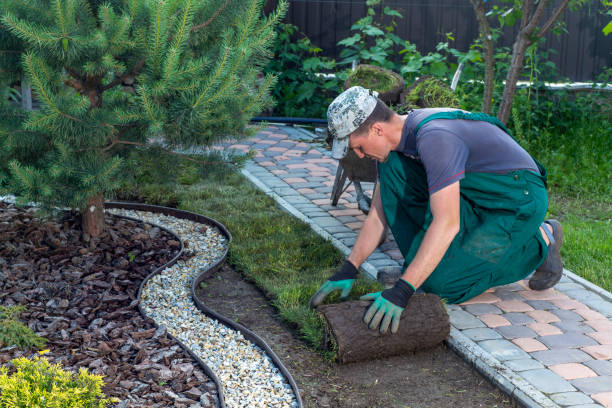
- High Line Park (New York City): Once an abandoned elevated railway line, this project was reimagined into a thriving linear park featuring lush gardens alongside art installations—demonstrating how underutilized infrastructure can be repurposed creatively. The Eden Project (Cornwall): A complex housing biomes filled with diverse plant species from around the globe showcases sustainable practices through education—emphasizing conservation efforts while providing stunning visual landscapes. Gardens by the Bay (Singapore): This iconic attraction combines futuristic architecture with horticulture using environmentally-friendly technologies like solar energy collection—setting new benchmarks for integrating nature within dense cities effectively.
These examples illustrate how visionary thinking combined with practical implementation leads not only to beautiful landscapes but also improved quality of life for those who inhabit them.
Final Thoughts on Transforming Urban Landscapes
Reimagining urban spaces through innovative landscaping solutions opens up possibilities previously unconsidered within city planning frameworks. By prioritizing outdoor planting green infrastructure alongside effective community engagement strategies—cities worldwide stand poised at an exciting crossroads where creativity meets sustainability head-on.
The journey toward transforming our metropolitan environments does not require radical shifts overnight but rather embraces incremental changes propelled by collaboration between experts and residents alike—fostering healthier ecosystems amidst concrete jungles yearning for greener pastures ahead!